
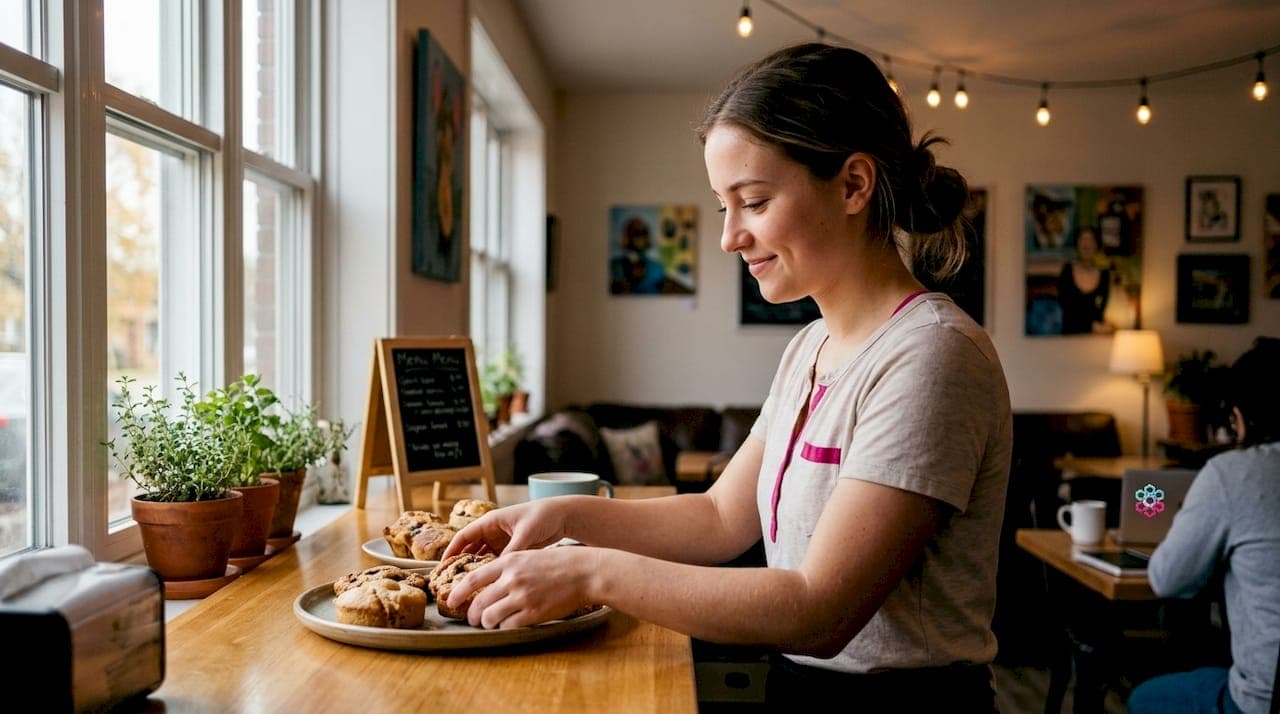
Community-based commerce is defined as the practice of converting local social trust and community engagement into repeat sales through owned customer relationships rather than rented social media reach. This model is community-based commerce explained in its most practical form: it treats your local audience as an asset you build, not a platform you borrow. Owned channels like email and SMS generate 5x to 10x more revenue per recipient than social media reach. That gap is not a minor advantage. It is the core reason local entrepreneurs who shift to community commerce consistently outperform those still chasing follower counts.
What is community-based commerce and how does it differ from social media marketing?
Community-based commerce is an operational model, not a marketing tactic. Traditional social media marketing rents reach from platforms like Instagram or Facebook. Community commerce builds owned relationships through email lists, SMS subscribers, and local membership programs that no algorithm can take away.

The industry term most practitioners use is "community ecommerce," and it sits at the intersection of retention marketing and local brand-building. The distinction matters because community ecommerce acts as infrastructure for retention and advocacy, creating social switching costs that make customers genuinely reluctant to leave. A customer who buys from you once is a transaction. A customer embedded in your community is a relationship with compounding value.
Local retailers often confuse follower counts with business health. A business with 10,000 Instagram followers and a 0.3% conversion rate is underperforming a business with 800 email subscribers and a 12% repeat purchase rate. The second business has built community commerce infrastructure. The first has built a vanity metric.
How does community commerce work operationally?
The operational framework for community commerce follows three steps. Missing any one of them leaks revenue at every stage.
-
Capture every interaction. Every point of contact, whether in-store, at a local event, or through a social post, is an opportunity to collect an owned contact. That means an email address, a phone number for SMS, or a membership sign-up. Businesses that skip this step hand their audience back to the platform after every interaction.
-
Segment contacts by value and recency. Not every contact is equal. A customer who bought three times in the last 90 days belongs in a different conversation than someone who signed up six months ago and never purchased. Segmenting by value and recency lets you tailor messages that actually convert instead of sending the same blast to everyone.
-
Activate segments with triggered flows. Welcome sequences greet new contacts and set expectations. Winback flows re-engage customers who have gone quiet. VIP sequences reward your top buyers with early access or exclusive offers. Triggered flows like welcome, winback, and VIP sequences automate the customer journey from first contact to loyal repeat buyer without requiring manual effort every time.
Tracking progress monthly keeps the system honest. Follower-to-customer conversion rate and repeat purchase rate are the two metrics that reveal true program health. Vanity metrics like total followers distract from the numbers that actually predict revenue.
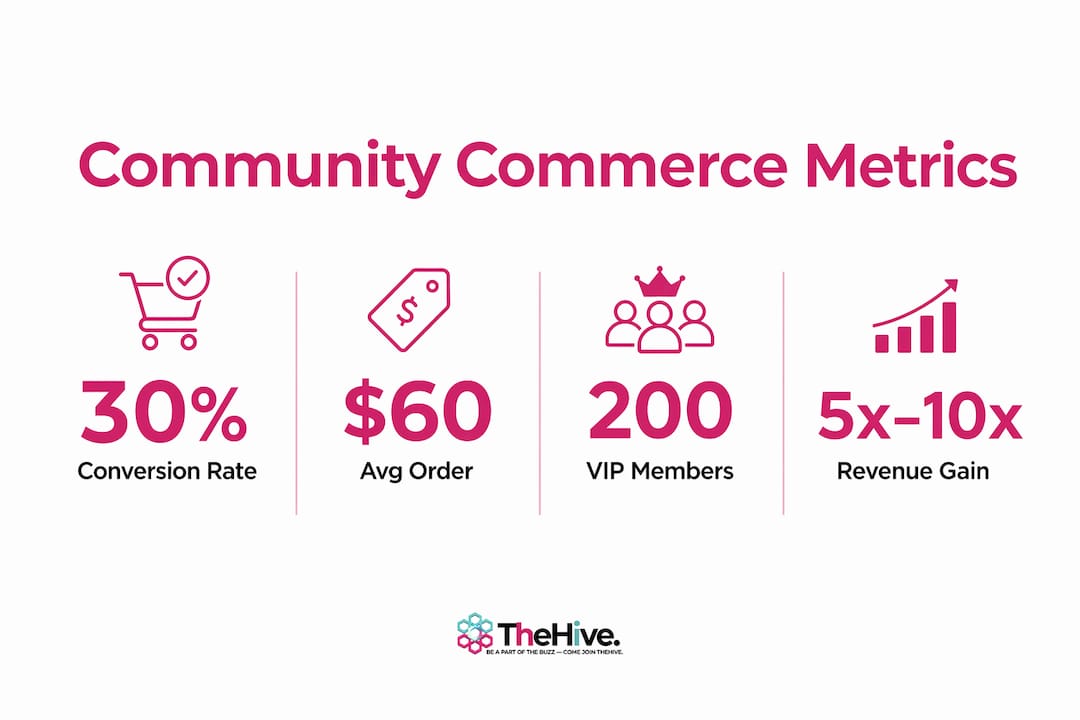
Pro Tip: A 200-person VIP segment converting at 30% with a $60 average order produces more durable revenue than a 10,000-person passive follower list. Build the segment first, then worry about growing it.
How do community marketplace platforms build trust for local commerce?
A pure marketplace connects buyers and sellers. A community marketplace connects buyers and sellers inside a layer of shared identity, local reputation, and ongoing interaction. That distinction determines whether transactions happen at all.
Launching commerce features before building community trust is the most common cause of marketplace failure. The sequence matters. Community interaction must come first. Transactions follow trust, not the other way around.
The architecture of a well-built community marketplace platform includes several features that pure transactional platforms skip:
- Unified profiles that combine social contribution history with transaction ratings. Community contribution history integrated with transaction ratings creates more trusted member reputations than star ratings alone.
- Geographic verification using address, GPS, or postal code data. Geographic proximity is the most critical trust mechanism for local marketplaces, outweighing generic trust scores or badges.
- Non-transactional local content such as event listings, neighborhood news, and community discussions. This content drives daily engagement and keeps members returning even when they are not actively buying.
- Multi-category listings that let hobbyists, startups, and established businesses all participate without requiring a formal retail setup.
The practical result of this architecture is that members develop platform habits before they ever complete a purchase. By the time a transaction occurs, both parties already have a shared context. That context reduces friction and increases the likelihood of repeat business.
Pro Tip: Before you add a "Buy Now" button to your community platform, ask whether members are already returning daily for non-transactional reasons. If the answer is no, the commerce layer will underperform.
Thehivewindsor applies this model directly to Windsor-Essex by combining local discovery, community profiles, and multi-category listings in one place. Businesses are ranked by community reviews and engagement rather than ad spend, which means trust signals drive visibility rather than budget. You can learn more about how local business discovery works within this kind of community-first architecture.
What are the measurable benefits of community commerce for local businesses?
Community commerce produces four categories of measurable advantage over traditional paid marketing.
"Community membership increases repeat purchase rates by 20%–30% compared to non-member customers. Owned channels generate 5x–10x more revenue per recipient than equivalent social media reach. These are not projections. They are the operational outcomes of businesses that treat community as infrastructure rather than content."
Retention improves because leaving costs something. When a customer is embedded in a community, leaving means losing status, peer relationships, and identity layers tied to that group. Social switching costs create loyalty that price competition alone cannot break. A competitor offering 10% off cannot easily replicate the sense of belonging your community provides.
Support costs drop because members help each other. Community Q&A threads, peer recommendations, and member-generated content reduce the volume of direct support requests. Members who feel ownership over the community become advocates who answer questions before your team needs to.
Revenue compounds through referrals. A loyal community member does not just buy again. They bring others. The co-commerce model demonstrates this at scale, where social trust becomes an economic asset that grows as the community grows.
Measurement becomes cleaner. When you own the channel, you own the data. Conversion rates, repeat purchase frequency, and revenue per recipient are all trackable without relying on platform analytics that change with every algorithm update.
How can local entrepreneurs build a community commerce system from scratch?
Starting a community commerce program does not require a large budget or a technical team. It requires a clear sequence and consistent follow-through.
-
Start with the audience you already have. Your existing customers, social followers, and in-store visitors are your founding community. Install capture loops at every interaction point: a sign-up sheet at the register, a QR code at events, a pop-up on your website.
-
Build your first three flows before anything else. A welcome sequence for new contacts, a winback flow for lapsed customers, and a VIP reward sequence for your top buyers cover the majority of revenue opportunities in most local businesses.
-
Recruit founding members offline before scaling digitally. Offline recruitment of 50 to 100 active members before a public launch is critical for local marketplace success. Offline outreach consistently outperforms digital acquisition in the early stages of a local community.
-
Add non-transactional content to keep engagement active. Local events, behind-the-scenes updates, community polls, and neighborhood news give members reasons to stay connected between purchases. This content is what separates a community from a mailing list.
-
Measure monthly and adjust. Track conversion rate from contact to first purchase, repeat purchase rate, and revenue per recipient. These three numbers tell you whether your community commerce program is growing or stalling.
Pro Tip: Do not wait until your list is "big enough" to start segmenting. Segment from day one, even if your VIP group is only 20 people. The habit of segmentation is more valuable than the size of the list.
Platforms built for local markets, like Thehivewindsor, make this process more accessible by providing local business visibility tools that do not require ad budgets to reach the right audience.
Key Takeaways
Community commerce is most effective when local businesses treat owned relationships as infrastructure, not as a marketing add-on.
| Point | Details |
|---|---|
| Owned channels outperform social reach | Email and SMS generate 5x–10x more revenue per recipient than social media platforms. |
| Sequence determines success | Build community trust before adding commerce features to avoid marketplace failure. |
| Segmentation compounds revenue | A small, well-segmented VIP list consistently outperforms a large passive follower base. |
| Geographic trust is non-negotiable | Local verification and proximity signals are the strongest trust mechanisms in community marketplaces. |
| Measure what drives revenue | Track follower-to-customer conversion and repeat purchase rate monthly, not follower counts. |
Why most local businesses are thinking about community commerce backwards
The most common mistake I see local business owners make is treating community as the reward for business success rather than the foundation of it. They say, "Once we get more customers, we'll build a community." That logic is backwards. The community is what gets you the customers.
I have watched businesses with modest social followings outperform much larger competitors because they owned their relationships. A bakery with 600 email subscribers and a strong local reputation will consistently beat a restaurant with 15,000 Instagram followers and no owned contact list. The bakery knows who its customers are. The restaurant is at the mercy of an algorithm.
The other mistake is launching commerce too early. Entrepreneurs get excited about selling and skip the trust-building phase. They add a shop before anyone in the community knows or cares about them. The result is a marketplace with no transactions and a community that never forms. Launching commerce without trust is one of the most documented causes of marketplace failure, and it is entirely avoidable.
My honest advice: spend your first 90 days building relationships, not listings. Recruit members in person. Show up at local events. Create content that has nothing to do with selling. By the time you add a transactional layer, your community will already trust you enough to buy.
— randy
Thehivewindsor: built for Windsor-Essex community commerce
Windsor-Essex local businesses now have a platform designed around the community-first principles this article describes.
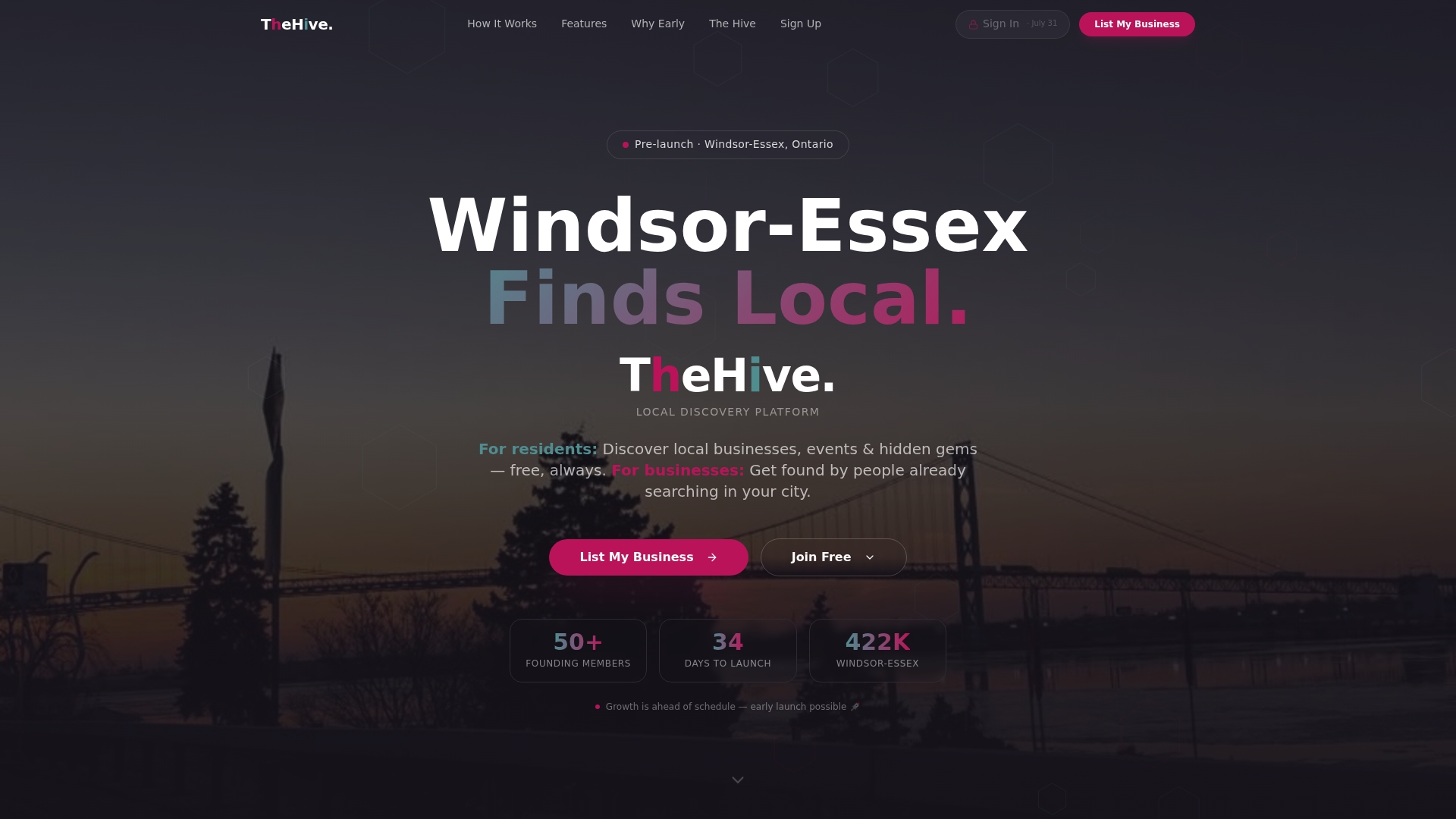
Thehivewindsor is a local discovery and community networking platform where your ranking is determined by reviews and community engagement, not ad spend. That means a 10-year-old shop and a brand-new side hustle compete on the same terms: the trust they have earned. The platform supports multi-category listings, local event promotion, and community profiles that combine social signals with business reputation. Whether you are a hobbyist selling handmade goods or a business that has been running for decades, join Thehivewindsor and put your community commerce model to work in the market that already knows you.
FAQ
What is community-based commerce?
Community-based commerce is the practice of converting local social trust and community engagement into repeat sales through owned customer relationships. It prioritizes email, SMS, and membership channels over rented social media reach.
How does community commerce differ from social media marketing?
Social media marketing rents reach from platforms you do not control. Community commerce builds owned relationships through direct channels, producing 5x–10x more revenue per recipient than social media equivalents.
What metrics should I track for community commerce?
Track follower-to-customer conversion rate and repeat purchase rate monthly. These two numbers reveal true program health far more accurately than follower counts or post engagement.
Why do community marketplaces fail?
The most common cause is launching commerce features before building community trust. Transactions require trust, and trust requires consistent community interaction before any buying or selling begins.
How many members do I need before launching a local community marketplace?
Recruiting 50 to 100 active members offline before a public digital launch gives a local marketplace the critical mass needed to generate organic engagement and early transactions.