
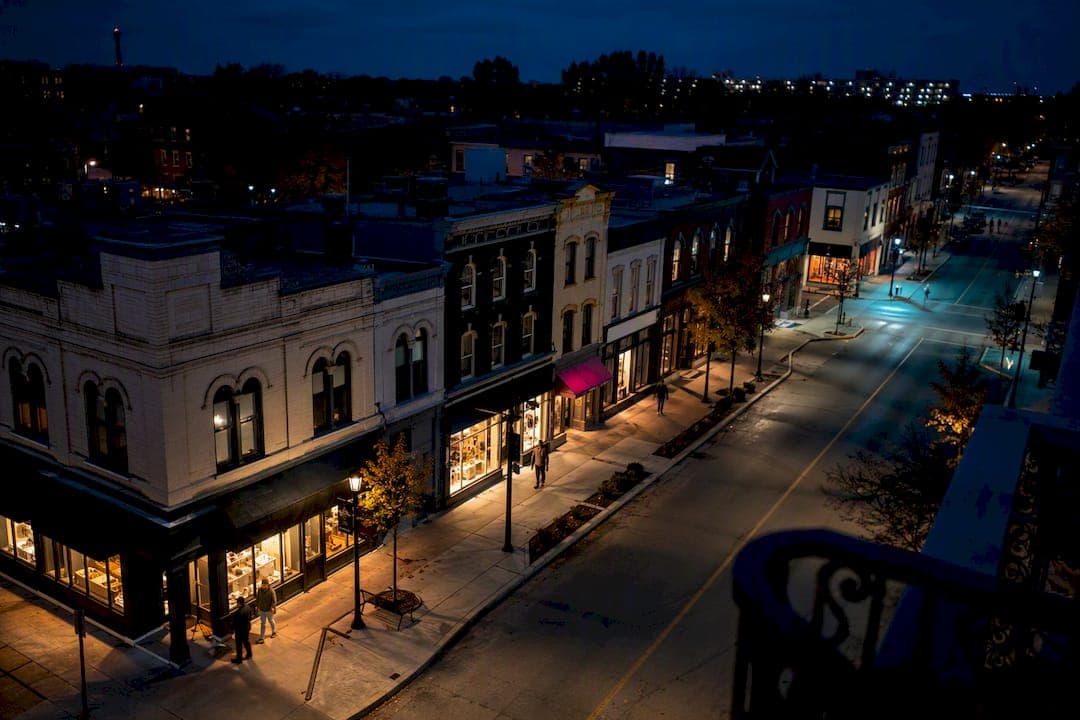
Pick two or three Windsor corridors where your customers already walk, drive, or scroll, then build one neighborhood landing page paired with a matching offline push, like a poster cluster or a sponsorship, in those same corridors. That combination beats scattering a small budget citywide. A local discovery platform like theHive can carry your listing and event promotion inside that same footprint. The sections below cover channel choices, a selection framework, tactics, costs, and what to expect.
TL;DR:
- Neighborhood marketing in Windsor should focus on specific corridors like Walkerville, university near campus, or the riverfront, rather than citywide campaigns.
- Digital geo-targeting and local SEO outperform broad advertising, especially when building neighborhood-specific landing pages and Google Business Profile updates.
- Measuring success requires attribution tools such as promo codes, dedicated landing pages, or call-tracking, with campaigns needing six to twelve weeks to evaluate paid efforts.
- Combining online geo-targeting with offline tactics like posters and sponsorships enhances authenticity and trust within local micro-areas.
- TheHive offers a community-driven platform that ranks Windsor businesses by reviews and engagement, favoring genuine reputation building over paid advertising.
Table of Contents
- What Is Neighborhood Marketing in Windsor?
- How Do You Choose the Right Neighborhood Channels?
- Building Your Neighborhood Marketing Playbook
- What Should You Budget and Expect From a Neighborhood Campaign?
- Why theHive Fits Windsor's Neighborhood-First Approach
- Staying Compliant When You Target Windsor Neighborhoods
- The Corridor-First Take Most Windsor Businesses Miss
- Get Your Windsor Business Discovered Without Paying for Rank
- Sources
What Is Neighborhood Marketing in Windsor?
Neighborhood marketing in Windsor means concentrating your advertising, content, and community presence inside specific micro-areas—Walkerville, the university corridor near campus, downtown's nightlife strip, the riverfront—rather than buying broad citywide reach. It works because Windsor is compact enough that a business can dominate recall in two or three pockets faster than it can build recognition across the whole city. The standard industry term for this is hyperlocal marketing, and it blends online geo-targeting with offline community tactics.
Community print and direct-mail neighborhood magazines still outperform citywide papers when your customer base sits inside a tight radius. A dry cleaner near Ottawa Street doesn't need reach into Tecumseh. It needs the same local households to see its name repeatedly over the year.
Digital geo-targeting gives you more control but less texture; learn more about effective social media advertising to boost local presence. ZIP-code and radius targeting on social platforms, plus geofencing around specific blocks, let you show a promotion only to people who crossed into a defined boundary. The tradeoff: hyperlocal digital ads often carry higher relative costs per impression than broader campaigns, and creative fatigue sets in faster when your audience pool is small.
Neighborhood SEO and Google Business Profile micro-optimizations compound in a way ads never do. Google Maps ranking is driven heavily by proximity, which means a single generic page almost never ranks for multiple nearby micro-neighborhoods. A landing page built specifically for Walkerville will outperform your homepage for "Walkerville" searches every time.
Events, sponsorships, and local creator partnerships build the trust layer paid channels can't buy. Sponsoring a Walkerville art walk or a student-corridor food festival earns unstructured citations, mentions in local press, tagged photos, word of mouth, that increasingly feed how people and AI tools discover local businesses.
A few Windsor patterns worth knowing:
- Student corridors near the university respond well to flyer clusters and app-based discovery, but campaigns need to reset each September.
- Walkerville rewards intentional, design-conscious messaging; anything that reads as mass-market spam gets ignored or resented.
- The riverfront and downtown nightlife strip favor event tie-ins and evening-hour geofencing over daytime print.
How Do You Choose the Right Neighborhood Channels?
Start with one objective, not three. Awareness, foot traffic, and lead generation each point to different channels, and trying to chase all three with one campaign usually means measuring none of them well.
Once you know the goal, run it through this checklist:
- Audience fit. Does your customer actually live, work, or socialize in this corridor, or are you guessing?
- Movement corridors. Where do people walk or drive daily? A bus route matters more than a scenic side street.
- Frequency. Can you afford to show up at least four to six times in this corridor before judging results?
- Measurability. Does the channel support a promo code, a tracked phone number, or a UTM link?
- Creative needs. Print needs finished art weeks ahead; digital can iterate daily.
- Community fit. Does the message add value to residents, or does it just interrupt them?
When vetting a vendor, whether it's a print distributor, a geofencing agency, or a sponsorship broker, ask for their actual distribution map, not a verbal promise. Ask how they define a "neighborhood," and get delivery or impression counts in writing. A vendor who can't name specific streets or ZIP boundaries is selling you a citywide buy with a local label on it.
Test small before you scale. Run a pilot in one corridor with a fixed budget and a hard stop date, then compare results against a second corridor running a different tactic.
Pro Tip: Run the same offer in two different corridors at once, one with a print flyer cluster, one with a geofenced social ad, using separate promo codes. Whichever corridor redeems more in the first two weeks tells you where to put next month's budget.
Building Your Neighborhood Marketing Playbook
Pick your two or three priority corridors first, then write down a specific hypothesis for each one: "Families within a ten-minute walk of Ottawa Street will respond to a spring cleaning promo mailed in the first week of March," not "Ottawa Street shoppers like discounts."
From there, build the infrastructure:
- Neighborhood landing pages. One page per micro-area, with a local description, area-specific offers, an event calendar, and structured data using
areaServedandhasMapso search engines and AI tools can connect your business to that exact location, a foundational step for local visibility. - Google Business Profile micro-updates. Post weekly updates tied to the corridor you're activating that week, not generic company news.
- Paired experiments. Run a ZIP-targeted social ad alongside a small flyer or poster cluster in the same physical footprint, then compare which one drives more calls or redemptions.
- Reviews and unstructured citations. Ask happy customers from a specific neighborhood to mention that neighborhood in their review. It reinforces the geographic signal and reads as more authentic to other local searchers.
- Ambassador and poster campaigns. Near campus corridors and nightlife strips, low-cost poster runs paired with a student ambassador handing out cards at peak foot-traffic hours often beat a paid ad buying the same audience.
Measurement should never rely on vibes. Assign a unique promo code, a dedicated landing page URL with UTM parameters, or a call-tracking number to each corridor so you can attribute footfall and inquiries back to the specific activation that produced them.
One useful reference point: businesses that lean too heavily on paid ads alone tend to see costs climb over time, while those that invest in neighborhood content and community signals build a discovery advantage that keeps paying off after the campaign budget runs out. That's the case for treating your landing pages and GBP presence as an asset, not a one-time expense.
For a Windsor-specific test, seed an identical offer across two different distribution clusters before committing a full budget to either one.
What Should You Budget and Expect From a Neighborhood Campaign?
Give paid neighborhood tests six to twelve weeks before judging them, and give SEO or content-based tactics three to six months since landing pages and structured data compound gradually rather than producing an instant spike. Different channels need different scorecards.
| Channel type | Primary KPI | Typical timeline to judge |
|---|---|---|
| Geofenced social ads | Click-through rate, cost per lead | 6 weeks |
| Print/flyer clusters | Promo code redemptions | 4 to 6 weeks |
| GBP optimization | Calls, direction requests | 8 weeks |
| Neighborhood landing pages | Organic traffic, form fills | 3 to 6 months |
| Events/sponsorships | RSVPs, new reviews mentioning event | Immediate to 4 weeks |
Calculate early ROI by dividing total campaign spend by tracked conversions from that specific corridor's promo code or phone number, then compare it against your average customer value. If the number holds steady or improves at the six-week mark, scale the budget in that corridor before adding a new one. If it's declining, pause and re-test the offer before blaming the channel. Whatever vendor you buy placements from, get delivery counts and reporting cadence in writing before you sign.
Why theHive Fits Windsor's Neighborhood-First Approach
theHive's listing algorithm ranks businesses by community engagement and real reviews, not ad spend, which lines up directly with the unstructured-citation strategy that drives neighborhood discovery. A hobbyist selling out of a Walkerville studio and a business that's operated for forty years near the riverfront show up on equal footing, ranked by what customers actually say about them.
Practically, that means:
- Your business listing and event pages live in one place instead of scattered across five apps.
- Referral rewards give customers a reason to actively recommend you inside their own neighborhood network.
- Community networking features connect you to other local businesses for the kind of partnership and sponsorship tie-ins covered above.
Onboarding starts by claiming your listing, filling out your service area and events, then building review volume through the customers you already have in your priority corridors. Early results tend to show up first in referral traffic and review counts before broader search visibility catches up, similar to the compounding timeline other neighborhood SEO tactics follow.
theHive works best as your discovery and reputation base. If you need faster paid reach into a specific corridor this month, layer in a geofenced ad or a local print run on top of it.
Pro Tip: Claim your listing and add your first event before running any paid neighborhood test. That way, anyone who discovers you through a paid ad lands on a profile that already looks established.
Staying Compliant When You Target Windsor Neighborhoods
Geo-targeted advertising collects location data, and that carries real obligations. If you're running geofenced ads or collecting emails through a neighborhood landing page, disclose what data you collect and how it's used in a clear, accessible privacy policy. Platforms like Meta and Google require this before they'll approve location-based ad campaigns, and skipping it risks account suspension, not just a compliance headache.
Text and email marketing tied to a neighborhood promo still falls under standard consent rules. Anyone who redeems a flyer or promo code and gets added to a mailing list needs to have opted in, not just handed over a phone number for a discount.
Sponsorships and events involving minors, school partnerships, youth sports leagues near a family-oriented corridor, often carry additional disclosure or consent requirements from the school or organization itself. Confirm those before your logo goes on a banner.
Keep review solicitation honest. Asking a happy customer to mention your neighborhood in a review is fine. Offering a discount specifically in exchange for a review crosses into territory most platforms, including Google, prohibit in their review policies. The safest approach: ask for honest feedback, mention nothing about star ratings or compensation, and let the geographic detail come naturally from the customer's own words.
The Corridor-First Take Most Windsor Businesses Miss
Most local marketing advice treats Windsor like a single market instead of a cluster of distinct neighborhoods with different habits, different commute patterns, and different tolerance for being marketed to. That's the gap. A citywide ad buy feels efficient on paper, but it usually means showing a diluted message to people who were never going to walk through your door anyway.
The conventional wisdom oversells paid reach and undersells patience. Neighborhood SEO and community reputation take longer to show results than a boosted post, but they don't decay the moment you stop spending. That's the trade every Windsor business owner needs to make consciously instead of by default.
If you're starting from zero, prioritize the free, compounding signals first: a complete profile, real reviews, a presence in community discovery platforms built around Windsor-Essex specifically. Add paid geofencing or print only once you know which corridor actually responds. Businesses that reverse that order tend to spend the most and remember the least.
— randy
Get Your Windsor Business Discovered Without Paying for Rank
Every tactic covered here, corridor landing pages, GBP updates, review generation, event sponsorships, still needs somewhere for that local trust to land. Thehivewindsor is that place: a Windsor-Essex discovery platform where your ranking comes from community engagement and genuine reviews, not the size of your ad budget. That matters most for the hobbyist just starting to sell locally and for the business that's been around for decades but never had one central spot where residents actually look.
You get a listing page, an event calendar, referral rewards, and a community network that puts you next to every other Windsor-Essex business in one place instead of five different apps. It fits directly into the corridor strategy above: claim your profile, add your first event, and start collecting reviews from the neighborhood you're targeting. Sign up and claim your listing today to give your next campaign a home base worth driving traffic to.
Sources
- Local Marketing Guide: Win More Customers Nearby — Search Engine Land
- Why paid ads alone are dangerous for small businesses — TBA Marketing
- Local marketing: How to win customers nearby — HubSpot Blog
- Local search marketing — Neil Patel